Q&A With Ben Nielsen By Mara Dobyns
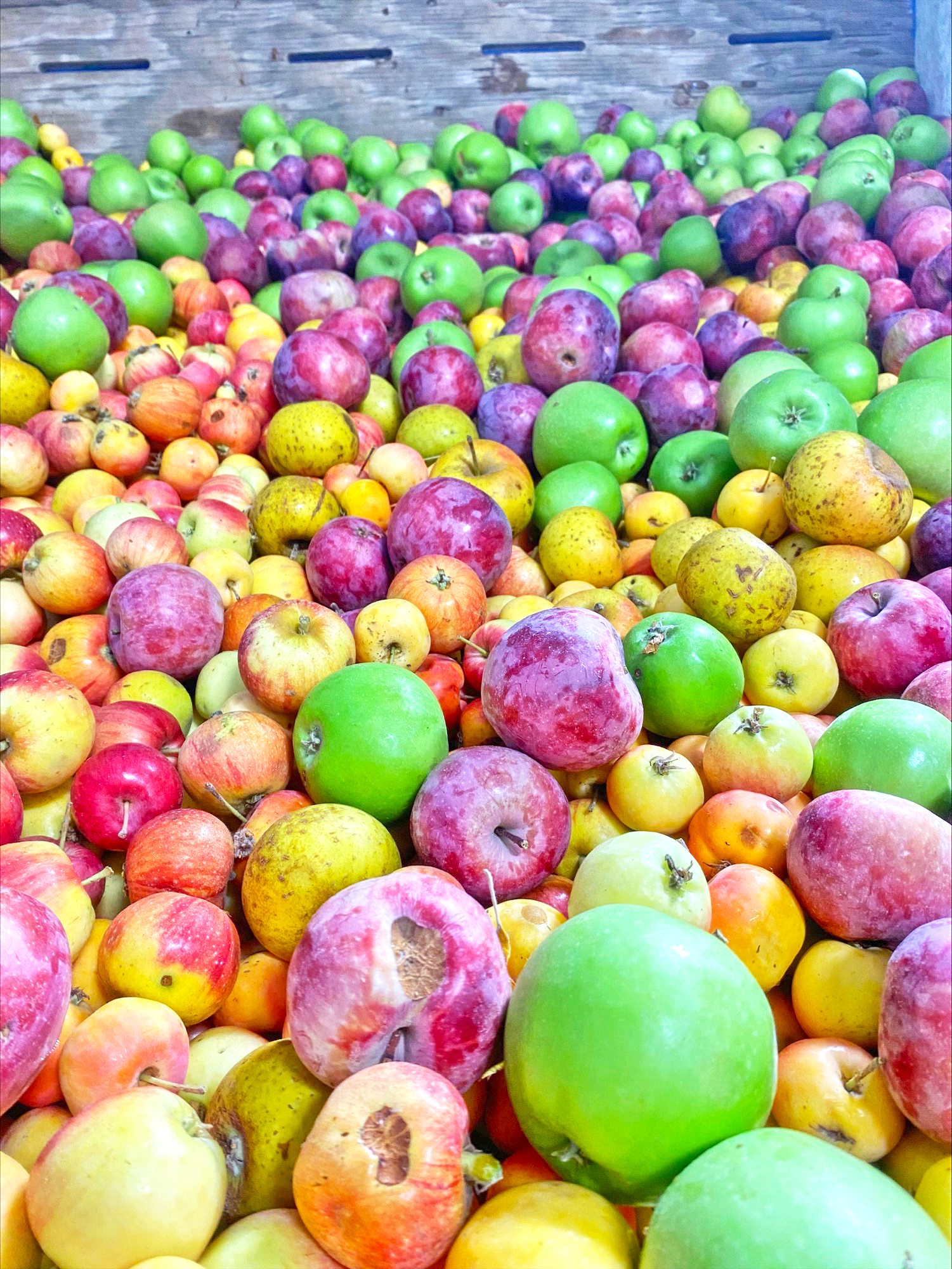
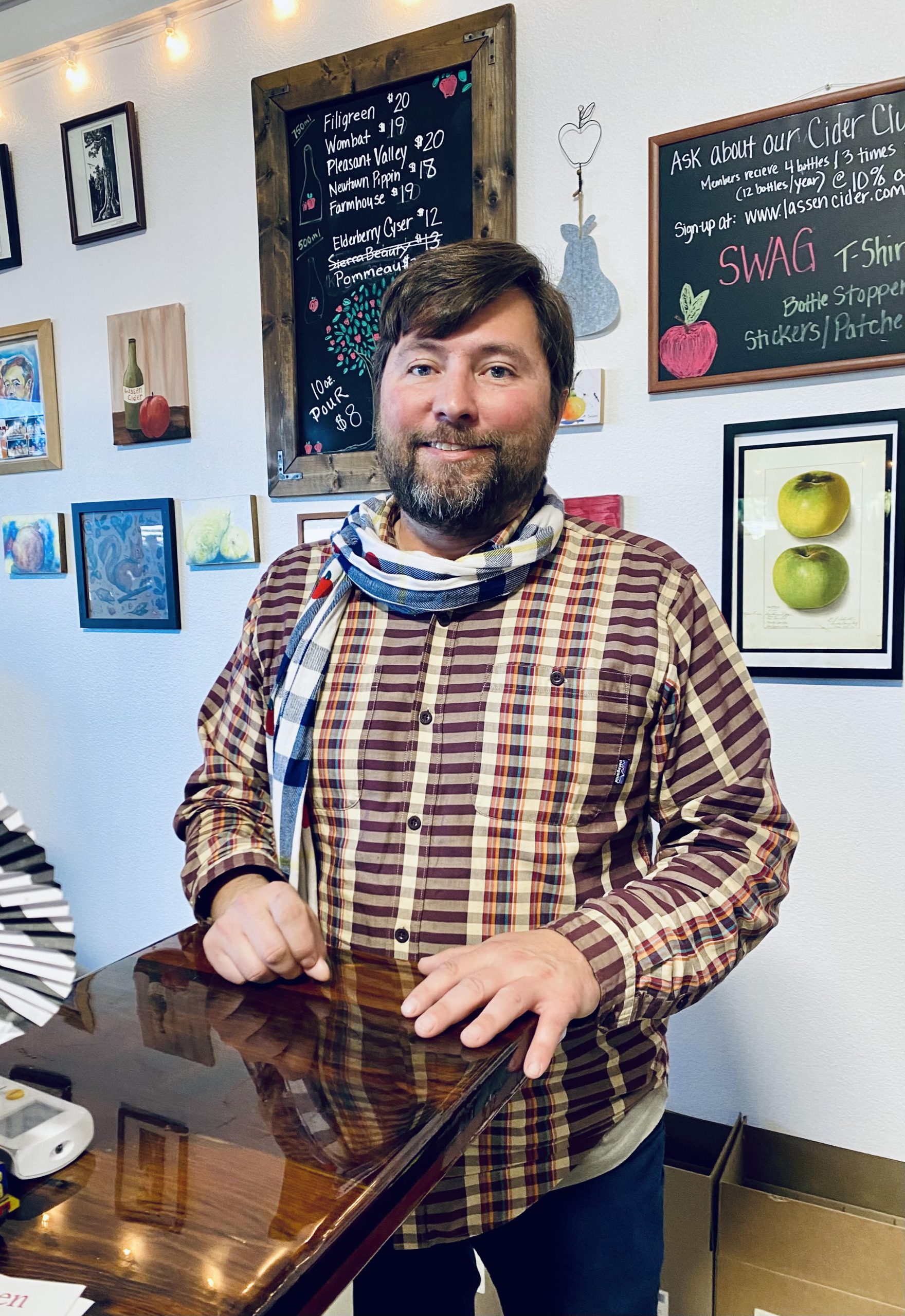
Meet Ben Nielsen, the man who quit his nine to five in engineering and took a risk to pursue his passion in something a little more outside the box, creating delicious, hard apple cider. Ben’s relationship with apples began as a young child when he’d go with his family to u-pick orchards, where he got to enjoy the hands-on experience and magic of it all, including the freshly made juice that inspired his life today. Ben boasts that most ciders that you find in supermarkets today are basically corn syrup, concentrate, and flavorings whereas he produces his as natural as possible. At Lassen Traditional Cidery all cider is naturally fermented, unfiltered, and unpasteurized, with a simple method of fresh crushed apples and fermentation. According to Ben, it’s a simple process, there’s a science behind it but basically you’re just allowing the yeast to eat the sugar. There is no added sugar in his process and his ciders actually have less residual sugar than beer. They are fully dry and the use of sulfites, if used at all, is kept to a minimum, making the cider a truly live product. Which is also why the word traditional appears in the name. The slow process to produce these ciders, around 6+ months, is worth all the time it takes according to Ben. His goal is simple, create a beverage that people appreciate and enjoy. If you are lucky enough to taste one for yourself, you will likely experience an alluring complexity and flavor that may surprise you. Cider making is an art and labor of love for Ben and it truly shows. Read the Q&A below or head to the bottom of this article for their website, address, the tasting room’s hours of operation, and more info.
Q: How did Lassen Cider become the reality it is today?
A: I fell in love with fermentation during my undergraduate years at Michigan Tech while brewing with friends. I ended up moving to Oregon where I continued brewing. In 2005 I moved into a house in Corvallis where next door there were a few apple trees that my neighbor wasn’t using. That propelled me to try my hand at cider. I was attracted to it for the simplicity. You can just clean off a tree, press the apples, and ferment the juice. Much different than making beer where most brewers don’t even have any idea where the grain was grown. I started a tradition of annual cider pressing parties where my friends and I would go scavenge apples wherever we could find them, from neglected neighborhood trees to lost pioneer orchards to crab apples growing in the ditch. After making a wide variety of ciders, most better than pretty much any store-bought cider, I began to appreciate cider and turned into an apple dork. I had been working as an engineer at the time and became dissatisfied with doing that. I got to a point in my life where I felt like making a change and taking a risk and I started putting more intention into starting a Cidery around 2013-14. By 2015 I was committed to a start up plan and I was making cider commercially in September of 2016.
Q: What inspired you to start Lassen Cider?
A: A love of fermentation and apples and all the varied unique flavors you can get from cider. I used to love beer, but once I got into ciders beer lost a lot of its attraction. I think a lot of it was how many people would tell me how my cider is the best one they’ve ever had. Also, it seemed like there was a huge shortage of people producing high quality cider.
Q: I don’t think everyone realizes how much science and art actually goes into creating the perfect blend. Can you tell me more about the process from start to finish?
A: It’s all about the apples. Just like wine, the best ciders are made from the best apples. A lot of the apples we see in the store aren’t good for cider. They’re kind of boring. It’s really kind of tragic how large-scale industrial agriculture has limited our selection of available apples and even our idea of what apples are. There’s a whole world of apples out there! Generally, you want apples with high sugar, as that’s the fermentable, but you also want good aromatics, and with cider it also helps to have tannic apples, which are usually classified as bittersweet or bittersharp. Similar to wine grapes, tannins round out the flavor profile and make it more interesting. Acid is another component, but most apples have mid to high acid levels so it isn’t something that I necessarily worry about. You can find a single apple that has all the characteristics you desire for cider, and you can also make a blend of different apples that have different contributions. I do some single varietal ciders to feature apples and I also do blends. Kingston Black is one of the most highly regarded apples for a single varietal cider. I do a Newtown Pippin single varietal cider every year that also turns out great. I also do a few single orchard ciders that are blends of apples from a single orchard. It brings some terroir into cider making. The same apple grown in different regions with different climates and growing conditions can be quite different.
My process is very simple. I go and get apples from regional growers all over northern California and, more recently, a few growers in Oregon who grow cider specific apple varieties. I haul the apples down to Chico where I press them then ferment the juice, and eventually package it in bottles and kegs.
Q: As the creator, I’m sure you appreciate each cup and the entire process that much more. What might surprise people about what you do?
A: One thing that I do that is fairly unusual for cider is that most of my ciders are all barrel fermented. I use neutral wine barrels, mostly French Oak. They’re called neutral because they were used for a wine for a few years and the wine leaches most of the tannins out of the oak. If you use a new barrel for cider it will likely taste like a barrel. Cider is not quite as robust as wine.
Q: How long does the testing stage usually last until you release a new blend?
A: It’s usually about a 6 month process from when I get apples in until the cider is ready to drink. All the fruit sugars get fermented out. When I bottle I add back a little fresh apple juice to start up the fermentation again. This produces natural carbonation in the bottle, what’s usually called bottle conditioning in the beer world. Sadly, not many producers practice this method.
Q: Do you have a favorite apple that you work with?
A: Golden Russets and Wicksons have always been a couple of my favorites. They can both be so sweet, and the Wicksons are small, but pack a lot of flavor. Golden Russets can produce a cider over 10% abv without any additional sugar. I got to do a single varietal Kingston Black last year and it’s definitely one of my favorite ciders that I’ve ever made.
Q: Do you have a personal favorite blend?
A: Generally for a blend, as I mentioned above, you want a mix of apples that all have complimentary components. So some fruit is for aromatics, some contribute tannins or acid. I really like how my Farmhouse Dry turned out last year. That was a mix of some aromatic heirlooms like Esopus Spitzenburg and Golden Russets with some bittersweet and bittersharp French and English cider
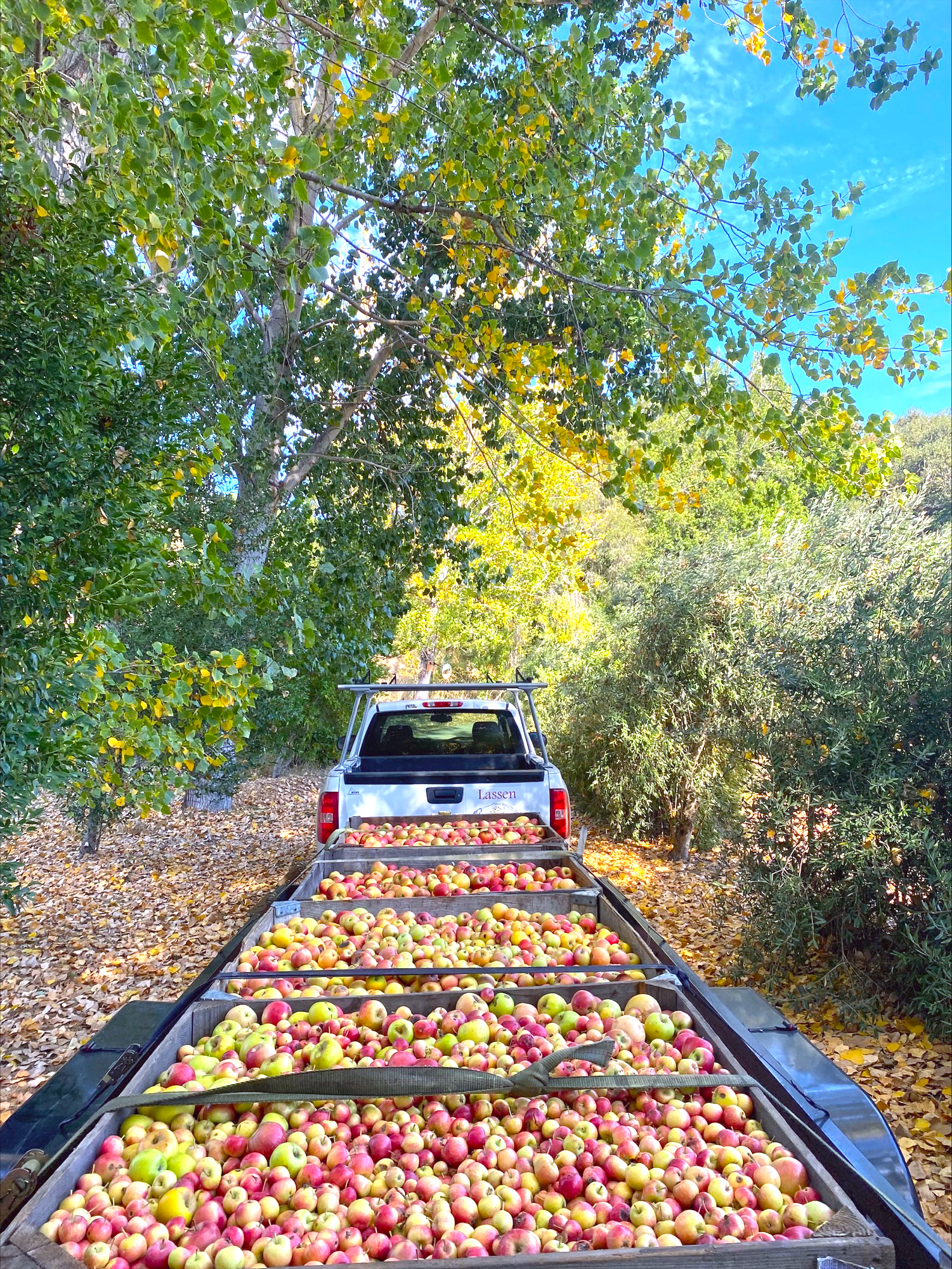
varieties like Marechal, Muscat de Berney, Porters Perfection, Brown Snout, and Amere de Berthecourt.
Q: I’m assuming you have something for everyone, can you tell us more about the blends that you offer? And how you would determine which blend to recommend to someone? Which blend for sweet, bitter, etc.
A: I just like to feature apples and orchards. So most of my ciders are either single varietals, where they’re just made from one type of apple, or single orchard ciders, where they’re blends from a single orchard.
I don’t stop fermentation so all my ciders are dry with zero residual sugar. Apple juice is all fructose, which is a simple sugar and 100% fermentable unless you stop fermentation artificially with pasteurization or chemicals.
That being said, I did make a sweet offering this year! But’s it’s not necessarily a cider. I had some cider distilled and took the apple brandy and mixed it with apple juice and aged it in a bourbon barrel for a year. It’s 19% abv so that prevents any of the sugar in the juice from fermenting so it stays sweet. It’s a boozy winter warmer! Perfect for the holidays and the colder months and it’s nice to have a sweet option for people who prefer that.
Q: I love that you are local to Butte County and that you only create seasonally for the best results. For you personally what else do you think sets Lassen Cider apart from others?
A: Mostly that I make cider the slow way. A lot of larger cideries just get tanker trucks of bulk juice from Washington. So they’re not even touching fruit. I really like the connection I have with farmers. I know them personally. It means a lot to me to support small, local, and regional agriculture.
Q: What is your favorite part about what you do?
A: The cider making, for sure. That’s why I got into it! All the other facets of running a business are just stuff you have to do. I don’t particularly enjoy the sales aspect of it, but it does feel good to make a big sale. Making connections with people is an enjoyable part of the business. It’s really all about relationships.
Q: What do you enjoy doing in your spare time when you’re not creating delicious cider?
A: In the winter you can find me up at Lassen National Park skiing! This was a big reason for deciding to name my company after it. Backcountry skiing is my happy place. In the summer I like spending time on my bike, heading up to the mountains for a hike, and hanging out at all the incredible swimming holes around Chico.
Q: What does the future look like for Lassen Cider?
A: I see slow steady growth and just having a sustainable business. I’d like to have my own orchard at some point. I did plant 20 trees on a friend’s property in Paradise after the Camp Fire and this year was the first year they produced anything to speak of so I’m looking forward to that coming more into production.
Q: Can you tell us more about your tasting room and events?
A: The tasting room is currently open every Saturday 1-6. We like to call it Cider Day. We have events periodically like the craft markets where local artists are selling their handmade goods. Usually with those we have a couple food options and music. I also feature bands at the Cidery a few times a year. I’m looking at expanding the tasting room hours to Friday nights and maybe Sunday afternoons.
Lassen Traditional Cidery offers a tasting room at their location in Chico. Find them here:
643 Entler Ave Suite 52
Current Hours:
Friday 4-8 & Saturday 1-6
Website: https://www.lassencider.com
A quick video of Ben’s process: https://www.youtube.com/ watch?v=0SCRq05A7ew
Where to Buy: https://www.lassencider. com/where-to-buy.html
Join the Cider Club Here: https:// www.lassencider.com/cider-club.html
Be sure to follow along on social media for all the latest updates, pop up craft fairs, and future events hosted at the Cidery.
Facebook:
Instagram: @lassencider