Protecting Open Spaces in Perpetuity
By: Stacy Fisher
Feather River Land Trust, headquartered in Quincy works to conserve ecologically important lands and waters that characterize the Feather River region, which include privately owned lands.
“We do this in a variety of ways, including by partnering with willing private landowners to protect their land through conservation easements,” explains FRLT Development Director Corey Pargee, adding that such easements offer protection for the uninterrupted vistas, wildlife habitat, water resources, cultural and historic assets, and lush wetlands and meadows that make the Feather River Watershed so special.
She says they also work in concert with other organizations and businesses like PG&E and the Maidu Summit Consortium.
According to the National Conservation Easement Database, the definition of a conservation easement is a voluntary, legal agreement that permanently limits uses of the land in order to protect its conservation values, preserving beautiful open spaces from commercial development in perpetuity, even if adjacent properties are developed or subdivided.Landowners maintain property rights
According to FRLT, although landowners voluntarily offer to enter into a conservation easement, they still own and manage their properties. But they permanently relinquish partial rights as part of a binding legal agreement upheld by both parties — usually the rights to subdivide and develop the property in order to maintain uninterrupted views of vast open spaces and protect wildlife habitat and water resources.
“Conservation easements provide for long-term land protection, but at the same time it allows landowners to continue the use of their private land in ways agreed to under the easement,” informs Pargee.
This includes designating a maximum number of additional homes that can be built on the property, or continue grazing cattle or growing food for example. And they can also sell it or pass it on to their beneficiaries.
Furthermore, “Landowners may be compensated for the sale of the conservation easement based on funds raised by the land trust, though some choose to donate a conservation easement instead.”
Additionally, they may also receive substantial tax benefits. While FRLT primarily uses conservation easements to protect privately owned lands, in some cases the land trust buys property outright when it wants to ensure community access to a cherished place.
“We directly own and manage five nature preserves throughout the region, that are available for the public to enjoy,” Pargee says.
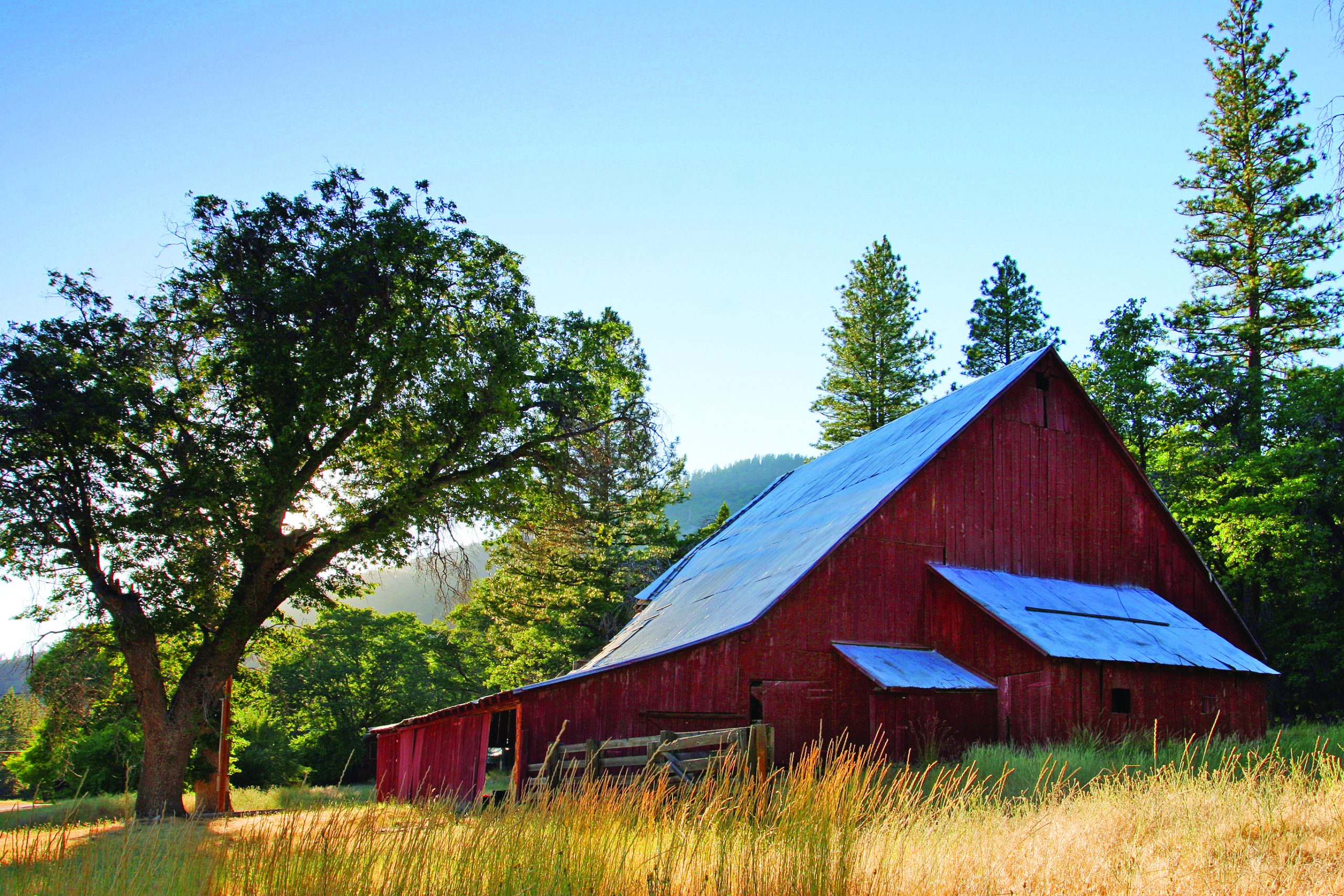
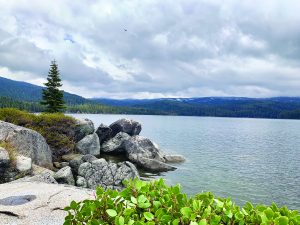
These FRLT-protected conservation easements include local working ranches and iconic places like Tásmam Koyóm (Humbug Valley), which is owned by the Maidu Summit Consortium, as well as Bucks Lake, Butt Valley Reservoir, and Goodrich Creek that winds through Mountain Meadow Home Ranch (owned by Sierra Pacific Industries).
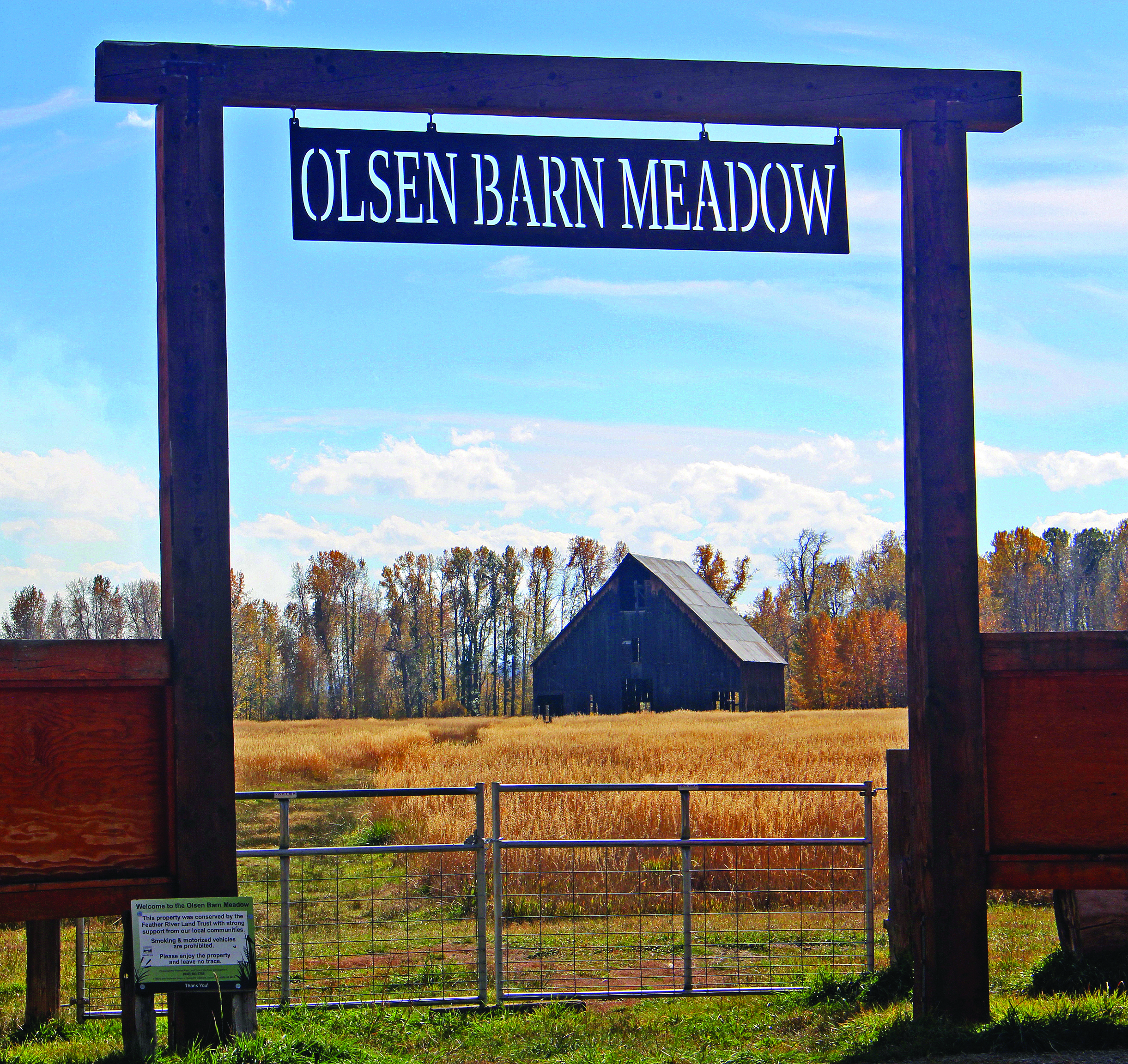
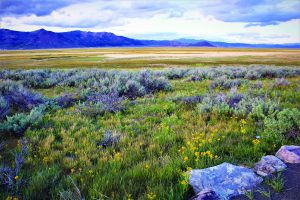
FRLT directly owns beloved lands that offer public access for outdoor recreation that includes picturesque and rural Heart K Ranch, a place of quiet beauty and scenic mountain vistas in Genesee Valley; the Olsen Barn Meadow Preserve — Northern California’s oldest standing barn — offering panoramic views of Lassen Peak and Lake Almanor; Mountain Meadows Gateway, a short walk from the town of Westwood offering visitors expansive views of Keddie Ridge and surrounded by bird songs and solitude, and access to the beautiful Mountain Meadows Reservoir; Sierra Valley Preserve, located at the headwaters of the scenic Middle Fork of the Feather River; and the Leonhardt Ranch Learning Landscape in Quincy. This 42-acre community preserve offers a walking path into the beautiful fields and meadows of American Valley.
FRLT is currently building a Nature Center at the Sierra Valley Preserve, which will be home to a variety of programs and events beginning in 2024.
Once land is conserved, whether through FRLT ownership or conservation easements — the organization’s Land Stewardship team works to ensure the long-term health of the land, and enhances public access on preserves owned by FRLT.
For details on those preserves that are open to public use, call FRLT, or check the website at: www.frlt.org/outdoor-adventures-lost-sierra. Permits are required for all organized group events.
FRLT meets national standards for excellence, Pargee continues, upholding the public’s trust, “and ensuring that our conservation efforts are permanent,” even if the property is sold or passed on to heirs.
According to information on their website: “The Feather River Land Trust is an accredited member of the Land Trust Alliance, a national organization working to promote voluntary private land conservation to benefit communities and natural ecosystems.”
Learning Landscapes
In addition to its primary mission, the FRLT is a leader in outdoor education through its Learning Landscapes program, providing K-12 students access to natural places within a 10-minute walk of every public school in the Feather River Watershed.
By conserving lands near public schools where rich, daily outdoor education experiences can occur, FRLT is creating the opportunity for “every student in the region to forge their own lasting relationship” with the natural world and the ground at their feet.
Rob Wade who serves as the outdoor education coordinator for the Plumas Unified School District leads FRLT’s Learning Landscapes program.
Integrating their regular academic studies with the outdoor examination of the Feather River Watershed, students have the opportunity to deepen learning regularly by accessing “outdoor classrooms” at FRLT’s Learning Landscapes sites.
FRLT periodically sponsors opportunities to get K-6 students outdoors during field trips, with one such popular event in the past called a Bioblitz, a collaborative effort to discover and record as many living creatures as possible within a specified ecological region.
FRLT hosted a BioBlitz at the Olsen Barn Meadow in 2019 that brought together Chester Elementary School students, volunteers, and local biologists.
Teachers, volunteers, and many local science partners, such as members from the Plumas Audubon Society and Collins Pine biologists, teamed up with the kids in the field at the Olsen Barn Meadow and surrounding lands near the North Fork of the Feather River.
Armed with binoculars, magnifying lenses, butterfly nets and notepads students employ their skills and knowledge from their science studies taught to them during school hours. “Especially important is that they learn the value of habitat preservation,” with an emphasis on stewardship, says Pargee.
The students sift through sediment, mud, and river water looking at an assortment of insects and macro-invertebrates, including observing and identifying several natural animal species, from soaring osprey and majestic eagles to tiny mayfly nymphs, to swallows dashing to and fro through the air, to nomad bees and garter snakes — to name just a few of the many local species found in various local regions. The group found 166 species in just three hours!
The special event also accomplished an important Land Trust program objective. Data collected informs the organization about different plant and animal communities that call a given area home, “and provide a snapshot of what kinds of life forms are active during the spring season,” she says, which assist “in making decisions on what sort of restoration activities may benefit species.”
Pargee shares that exploration goes beyond the school zone with field visits to FRLT-conserved lands like the 903- acre Heart K Ranch in Genesee Valley as recently as 2022.
As posted on the organization’s website, FRLT’s Northern Regional Manager Nils Lunder hosted a group of 1st through 5th graders from Plumas Charter’s Indian Valley Academy.
Students were oriented to the property and some of the projects FRLT has in the pipeline before venturing up into the FRLT and adjacent US Forest Service lands.
The posting noted that Lunder stopped the hike occasionally to point out effects of the Dixie Fire of 2021 and fire suppression efforts, like dozer lines that still remain on the property, as well as recent restoration efforts. Students discovered different types of soil, unique rock formations, and evidence of animal activity.
The field trip ended with a visit inside the historic pole barn and cattle weigh station that resides on the Heart K Ranch.
For further information on the FRLT, or to learn how you can support their conservation mission by becoming a member, please visit the website at: www.frlt.org. To donate online go to: www.frlt.org/donate. To learn more about the Learning Landscapes program, visit: frlt.org/learning-landscapes. Mailing address: P.O. Box 1826, 75 Court St., Quincy, CA 95971.
Interested in conserving your property?
Conservation easements require a lot of diligence and legwork to complete.
The FRLT website states: “This process often takes years of collaboration to reach a final agreement, but in the end, open space, wildlife habitat, and rural livelihoods are protected, forever. … We work with visionary landowners to conserve the lands they value. With a deep connection to their land, ranchers and farmers know the gifts undeveloped lands provide their community,” namely “clean air and water, productive farmlands growing fresh food, undisturbed forests and meadows, and sheer scenic beauty,” safeguarding it for their family and for future generations.
Owners who create conservation easements may receive opportunities for tax benefits, too.
Feather River Land Trust evaluates each property individually to determine if it is appropriate for conservation.
Based on information provided on their website, several factors combined may make the property a good candidate to conserve, especially if it meets the following guidelines:
1) The property is consistent with the mission of FRLT and the property is within the Feather River Watershed.
2) Conserving the property will provide significant public and/or private benefit in one or more categories: ecological, cultural/historical, educational, scenic/open space, and recreational.
3) The land is of sufficient size that its conservation resources are likely to remain intact, even if adjacent properties are developed.
4) The land contains resources unique to and characteristic of the Feather River Watershed.
5) There is funding available for acquisition of the conservation easement and its long term monitoring.
6) FRLT has the resources and capacity to fulfill any and all stewardship responsibilities associated with the easement.
If you’re interested in working with the FRLT to protect your land, call their main office at: (530) 283-5758.